Straightforward tips and articles to help you plan a smoother, safer, and more enjoyable trip across the continent.
Safari on a budget: 7 ways to cut costs without cutting corners
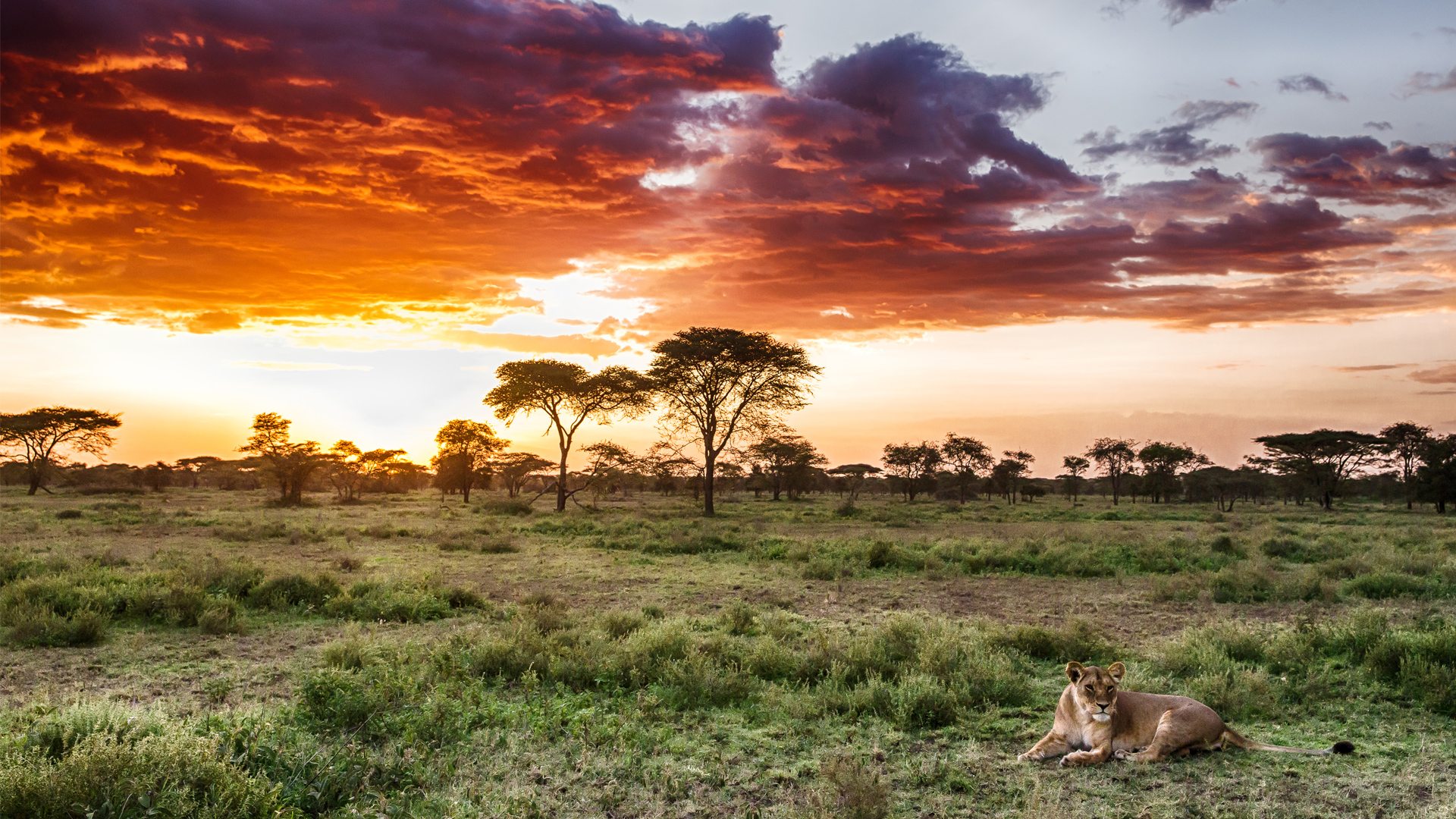
Going on safari doesn’t have to drain your savings. Start by travelling during the shoulder or green season—parks like the Serengeti and Kruger still deliver incredible wildlife at lower lodge rates. Book a self‑drive safari in Namibia or South Africa if you’re comfortable behind the wheel, or join a small‑group camping safari where the per‑person cost drops dramatically.
Look for national park campsites instead of private lodges. In East Africa, combine Kenya and Tanzania overland and use public shuttles between parks to save on domestic flights. Even small choices help: carrying a reusable water bottle with a filter, bringing snacks from a local supermarket, and negotiating long‑stay discounts at guesthouses can free up money for that once‑in‑a‑lifetime hot‑air balloon ride.
Read our full safari planning guide →
How to stay healthy on the road: vaccines, water, and the first‑aid kit that gets used
A well‑planned health kit means fewer pharmacy stops. Start with routine vaccines (tetanus, typhoid, hepatitis A) and check whether yellow fever is required for your destinations—some countries demand proof at the border. Malaria prophylaxis isn’t a one‑size‑fits‑all decision; chat with a travel clinic about the best medication for your exact route and season.
For everyday comfort, pack oral rehydration salts, a digital thermometer, motion‑sickness tablets, and a broad‑spectrum antibiotic prescribed for travellers’ diarrhoea. In most cities and towns you can buy bottled water easily, but a portable purifier or UV steripen adds an extra layer of safety in remote areas. Don’t forget high‑factor sunscreen and insect repellent with at least 30% DEET—apply it after your morning sunscreen and reapply in the late afternoon.
Explore our full health and safety section →
Africa packing list: lightweight, respectful, and ready for anything
The golden rule: pack for dust, sun, sudden rain, and modest cultural norms. Neutral‑coloured clothing (khaki, olive, beige) is best for safaris because bright white and dark blue can attract tsetse flies. A lightweight long‑sleeve shirt protects against both sun and mosquitoes, and a wide‑brim hat is worth its weight in gold.
For city travel and visiting religious sites, pack a scarf or sarong to cover shoulders and knees—this small gesture goes a long way in places like Stone Town, Lalibela, or Fes. Sturdy sandals work for most days, but keep a pair of closed shoes for hikes and cool evenings. A headlamp, a universal plug adapter, and a dry bag for electronics round out your essentials.
Culture, cash, and common courtesy: small things that make a big difference
Learning a handful of words in the local language—even just “hello” and “thank you”—opens doors across the continent. In many countries, it’s customary to greet people before launching into a request; take a moment to ask how someone is doing. Handshakes are common, often longer and warmer than in Europe or North America.
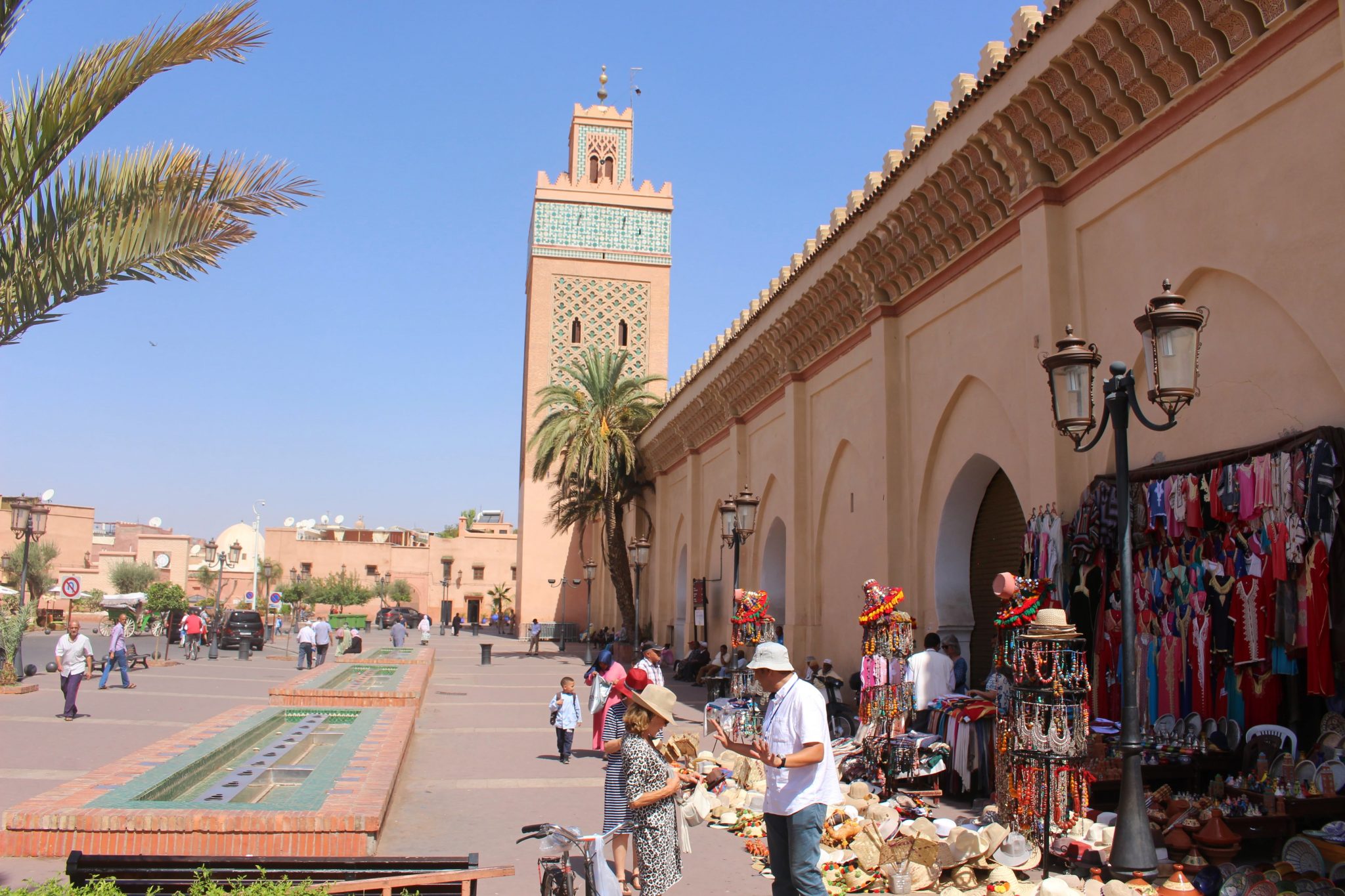
Cash is still king in most markets, rural areas, and for tipping guides. Carry crisp, newer‑issue US dollars (post‑2009) for visa‑on‑arrival fees and larger payments, plus local currency for day‑to‑day spending. When bargaining in souks or craft markets, keep it friendly—a smile and a reasonable counter‑offer usually lands a fair price and leaves both sides happy.
First‑time safari mistakes (and how to avoid them)
Many first‑timers try to cram too many parks into too few days. Africa is vast; road transfers between reserves can easily eat a whole day. A better approach: pick two, maybe three, contrasting areas—for example, a big‑game reserve plus a wetland or desert landscape—and spend at least three nights in each to truly settle in.
Another common oversight: leaving all the wildlife spotting to your guide. Instead, scan the bush yourself, listen for alarm calls from impala or birds, and watch for fresh tracks. Early mornings and late afternoons are prime game‑viewing windows, so don’t be tempted to sleep in. And resist the urge to stand up in the vehicle—animals see the vehicle silhouette as one object; breaking that shape can scare them off or provoke a defensive reaction.
When to go where: a quick season‑by‑season snapshot
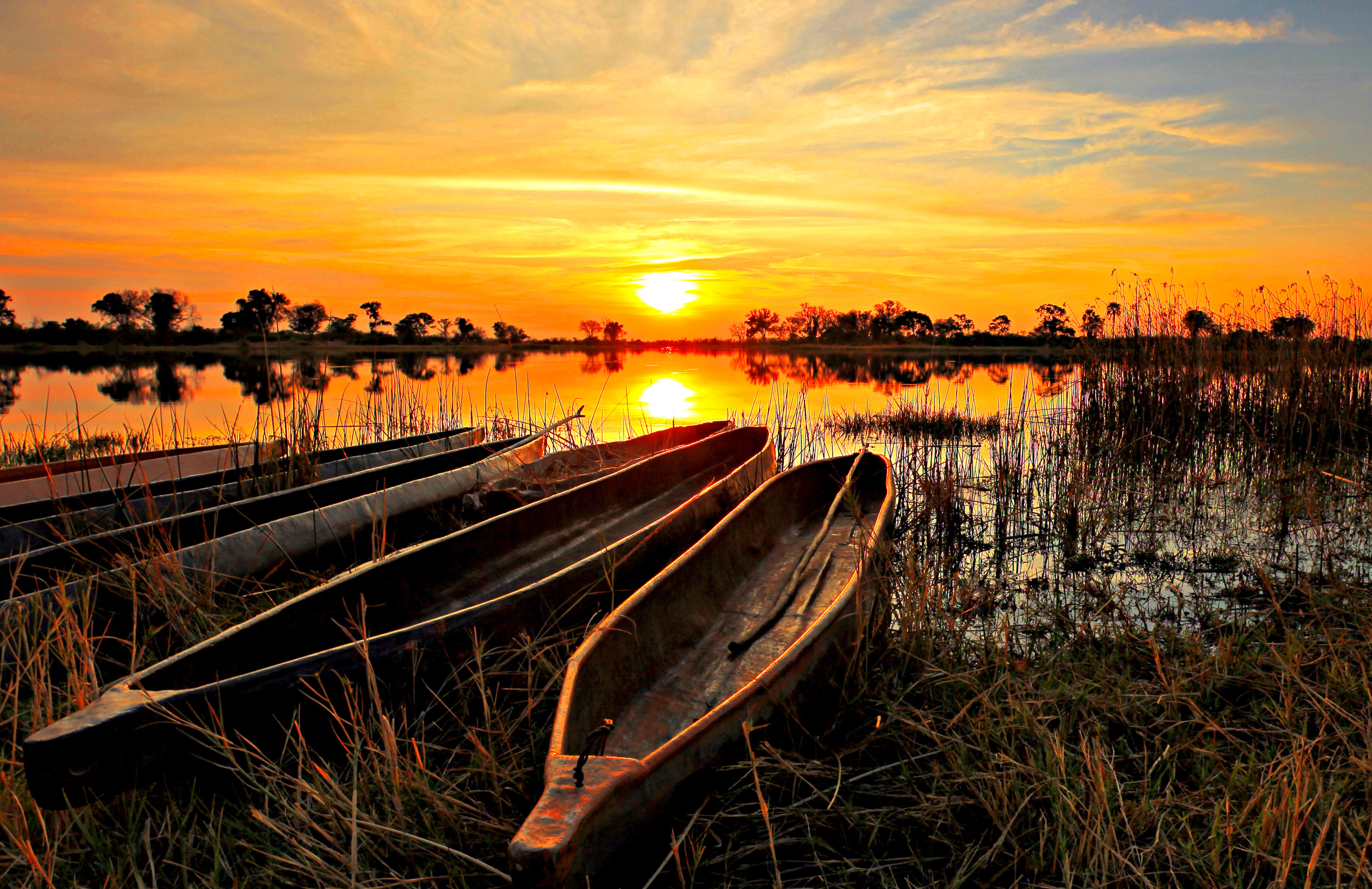
December–February: East Africa’s short dry season, great for Tanzania’s southern Serengeti (calving season) and Zanzibar beaches. Southern Africa is lush and green—ideal for birding and fewer crowds in Botswana’s Okavango Delta.
March–May: The long rains in East Africa bring low prices and dramatic skies; gorilla trekking in Uganda and Rwanda is still possible with fewer tourists. North Africa and Egypt enjoy pleasant spring temperatures perfect for sightseeing.
June–October: Peak safari season across Kenya, Tanzania, Botswana, and Zambia. The Great Migration river crossings typically happen July–September in the northern Serengeti and Maasai Mara. South Africa’s whale‑watching and wildflower blooms peak in August–September.
November: A sweet spot: the short rains begin in East Africa, meaning green landscapes and baby animals, while Southern Africa heats up but lodges offer excellent shoulder‑season rates.
Detailed month‑by‑month guides →